|
It's been a while, but time for another of my tech columns, The Writers Workbench, that I do for the Writers Guild of America, As I've noted in the past, since it's a bother to code the code column for this site and it's already coded for the Guild's site, it's SO much easier to just provide the link to it here. The format has evolved a bit over the years -- I've been doing the column for maybe 18 years or so. What I explain in the introduction.is that I'm going to try just covering one product per column -- along with the small "TWW Notes" at the end. If any columns come along where it's convenient to compare a range of similar products, I'll continue to do that, but I think one product at a time at this point will let me post a few more columns than I've been doing and keeping them more up-to-date than having to wait on companies sending me their latest products when they're finally ready. Anyway, this month is a a look at an oddly-designed, but very good surge protector, the Powramid, made by the company Accell. which has turned out decidedly odd, but very good products in the past. You can find the column here. 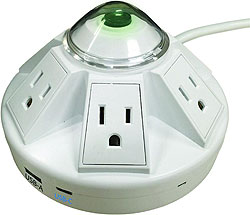
0 Comments
It's been a while, but time for another of my tech columns, The Writers Workbench, that I do for the Writers Guild of America, As I've noted in the past, since it's a bother to code the code column for this site and it's already coded for the Guild's site, it's SO much easier to just provide the link to it here. The format has evolved a bit over the years -- I've been doing the column for maybe 18 years or so. What I explain in the introduction.is that I'm going to try just covering one product per column -- along with the small "TWW Notes" at the end. If any columns come along where it's convenient to compare a range of similar products, I'll continue to do that, but I think one product at a time at this point will let me post a few more columns than I've been doing and keeping them more up-to-date than having to wait on companies sending me their latest products when they're finally ready. Anyway, this month is a a look at an oddly-designed, but very good surge protector, the Powramid, made by the company Access which has turned out decidedly odd, but very good products in the past. You can find the column here. 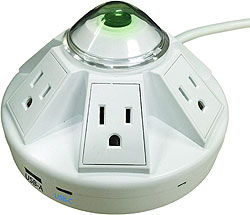 The guest on this week's 3rd and Fairfax podcast from the Writers Guild of America is TV writer Erica Messer who is the showrunner in charge of the series, Criminal Minds. She talks about that show and her career that began writing for Alias, as well as such series as Charmed (the original, not the current remake) and The O.C.
On this week's episode of the 3rd and Fairfax podcast from the Writers Guild, the guest is Dan Futterman who talks about starting his career as an actor, and becoming a writer of the films, Capote and Foxcatcher, and also co-creating the Hulu series, The Looming Tower (about battles between the CIA and FBI before 9/11), as well as writing extensively for HBO's In Treatment.
It's been a while since I've posted one of my "The Writers Workbench" tech review columns, so tonight we'll jump right back in. This month it's pretty low-tech at the core -- light bulbs -- though in different incarnations that you might be used to. The first device is quite low-tech but very versatile and clever, the Luminoodle -- basically a cord with lights embedded in it, though there's more to it than that. The second is a Smart bulb for those who might be interested in controlling your light bulbs but don't yet want to wire your residence as a Smart Home. As always, since the column is written for the Writers Guild of America, and they've gone to the effort of formatting it all for their site, I'll provide the link to it there, rather than go through the headache of reformatting it all over again on these pages.  On this week's edition of 3rd & Fairfax, the podcast of the Writers Guild of America, the guest is writer and showrunner Jason Katims, who talks about his career as showrunner for such series as Friday Night Lights, Parenthood, Roswell and About a Boy, among others, as well as his new show, Rise, which he developed.
|


Elisberg Industries gets a commission if you click here before shopping on Amazon.

AuthorRobert J. Elisberg is a political commentator, screenwriter, novelist, tech writer and also some other things that I just tend to keep forgetting. 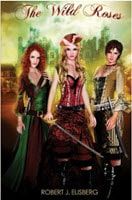

Feedspot Badge of Honor
Archives
June 2024
Categories
All
|
 RSS Feed